The name Julio Melgar shows up in genealogy databases, church histories, and Latin American music circles. But it doesn’t always point to the same person. Some searches pull up a worship leader from Guatemala. Others return birth and death records for people who lived in completely different times and places.
This article covers who the well-known Julio Melgar was, what he built through his music and ministry, and how to figure out whether a genealogical record for “Julio Melgar” is actually about him — or about someone else entirely.
Who Was the Famous Julio Melgar?
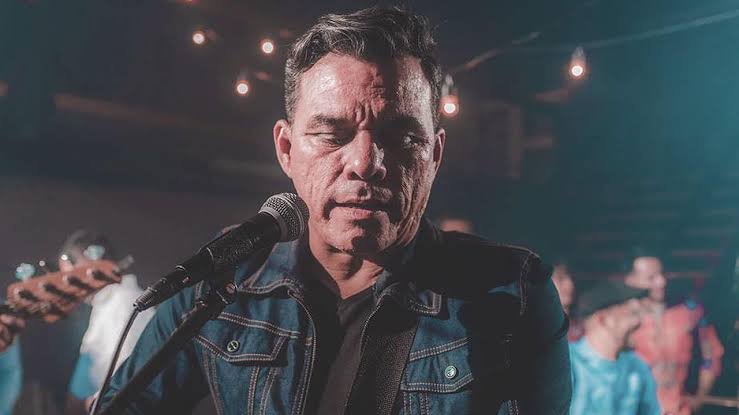
The Julio Melgar most people are searching for was a Guatemalan Christian singer-songwriter, pastor, and worship leader. He was born around 1972 in Escuintla, Guatemala, and died in 2019 at approximately 46 years old.
He became widely recognized in Spanish-speaking evangelical churches for songs like “Creo en Ti,” “¿A Quién Iré?”, and “Estás Aquí.” These weren’t just local church songs — they spread throughout Latin America and became staples in worship services across many countries.
He was also one of the founding pastors of Ministerios Intimidad con Dios (Intimacy with God Ministries) in Guatemala City. His work combined pastoral leadership with music ministry, and he spent much of his adult life devoted to both roles.
His background was rooted in a genuine call to worship rather than commercial music. He wasn’t a pop star who crossed into Christian music — he built his entire public identity around faith, ministry, and the local church.
His Ministry, Music, and Lasting Influence
Julio Melgar got started early. In 1994, he founded a ministry specifically aimed at training musicians and singers for worship. That focus stayed with him throughout his career.
Over the years, he released approximately five worship albums. These recordings traveled far beyond Guatemala, finding regular use in churches across Latin America and among Spanish-speaking congregations in other parts of the world.
In 2018 — just a year before his death — he was featured on Christine D’Clario’s song “Ya No Soy Esclavo.” D’Clario is a well-known figure in Latin Christian music, and the collaboration brought additional visibility to his work during the final period of his life.
His influence didn’t stop when he passed away. His songs continued to be streamed and sung in churches after his death, which is part of why his name still surfaces so frequently in searches today. People hear a song in a Sunday service, look up who wrote it, and find themselves reading about Julio Melgar for the first time.
His son, Lowsan Melgar, also became a singer and has continued working in Christian music. That kind of generational continuity is one reason the Melgar name remains connected to worship communities.
His Illness and Death in 2019
Around 2017, Julio Melgar began undergoing cancer treatments. Multiple accounts identify the illness as pancreatic cancer. He continued his ministry work during this period, and his faith in the face of illness was noted by many who followed his story.
He died in 2019 at around 46 years old. His passing prompted tributes from Christian musicians and ministries across Latin America. For many people, his death was how they first learned his name — someone shared one of his songs alongside news of his passing, and the search for more information began from there.
There is no need to add more detail beyond what is confirmed. He was sick, he fought it, he died, and his music outlasted him. That’s the straightforward account.
Other People Named Julio Melgar in Genealogy Records
Here’s where things get confusing for researchers. The name Julio Melgar is not unique. It appears in genealogy databases across multiple countries and generations, referring to different people entirely.
Understanding which record belongs to whom requires looking at the details carefully — not just the name.
Julio Melgar Hijo — Puerto San José, Guatemala (died 1976)
FamilySearch includes a record for “Julio Melgar hijo,” who died on September 14, 1976, in Puerto San José, Guatemala. His parents are listed as José Rodolfo Rivera García and María de Jesús Melgar Cabrera.
This is clearly not the famous worship leader. The famous Julio was born around 1972 and died in 2019. This individual died in 1976 — decades earlier. The parent names also don’t match anything in the worship leader’s confirmed biography. These are two separate people who happen to share a name.
Julio César Melgar Ortiz — Geni Genealogy Record
Geni lists a Julio César Melgar Ortiz, a deceased individual with a birth estimated somewhere between 1914 and 1962. His parents are named as Joaquín Eduardo Melgar Colom and María Ortiz.
Again, this doesn’t match the worship leader. The dates, parents, and full name are all different. This record belongs to a separate branch of people who carry the Melgar surname.
Julio Melgar (1922–2011) — Brooklyn, New York
Find a Grave includes a memorial for a Julio Melgar born July 4, 1922, in Brooklyn, New York, who died on November 10, 2011, in Dallas, Texas. His parents were Lorenzo and Maria Melgar.
This person was US-based, born 50 years before the famous Guatemalan singer, and died eight years before him. There is no confirmed connection between this individual and the worship leader. They share a surname, but nothing else in the public record links them.
Other Records on Ancestry
Ancestry searches return several additional individuals: Julio Eduardo Melgar, Julio Cesar Castro-Melgar, Julio Constantino Pachas Melgar, and others. These records come from various countries and time periods.
This spread makes sense. Melgar is a Spanish-language surname found across Latin America and among Hispanic communities in the United States. Sharing a surname does not mean sharing a family line — especially without matching dates, locations, or documented relatives.
How to Tell the Records Apart
If you’ve found a “Julio Melgar” in a family tree or genealogy database and you’re wondering whether it’s the famous worship leader, here’s a straightforward way to check:
- Birth year: The famous Julio was born around 1972. Anyone born significantly earlier or later is likely a different person.
- Location: He was from Escuintla, Guatemala, and based his ministry in Guatemala City. Records tied to Puerto San José in 1976, Brooklyn in 1922, or Dallas in 2011 point to other individuals.
- Parent names: His publicly known family includes his son Lowsan. His own parents are not extensively documented in public sources — which is exactly why genealogical assumptions should be made carefully.
- Death year: He died in 2019. Any Julio Melgar in a record with a death date before 2019 is not him.
Think of it like matching puzzle pieces. A shared name is just the surface shape. You need the edges — the dates, locations, and parent names — to actually confirm a match.
Why Genealogical Records Are Often Sparse
Most genealogy records only include basic information: a name, parents, a location, and a date of birth or death. That’s normal. It doesn’t mean the person is less important — it just reflects what was captured at the time.
For people like the “Julio Melgar hijo” record from 1976, there’s simply no additional public detail available. Trying to read more into those records than what’s there leads to inaccurate family trees and false connections.
If you’re researching your own family and wondering whether you’re related to the famous Julio, the honest answer is: you’d need to trace documented lines. A shared surname and a rough geographic region aren’t enough on their own. Publications and sites like CityBusinessView often cover how public figures’ legacies intersect with public interest research — and the standard approach is always to stick with what the records actually show.
A Note on the Melgar Surname
The Melgar surname is found throughout Central America, South America, and in US Hispanic communities. It’s common enough that many unrelated families carry it. Spanish naming conventions also add complexity — people often use two surnames, combining paternal and maternal names. This is why you’ll see variations like Melgar Ortiz, Melgar Cabrera, or Castro-Melgar in different records.
None of that variation implies a direct blood connection to the famous worship leader. It simply reflects how surnames work across generations and borders.
Conclusion
Julio Melgar the worship leader left behind a clear and documented legacy: born in Escuintla, Guatemala around 1972, he spent his life building a ministry, recording worship music, and leading a congregation in Guatemala City. He died in 2019 after battling pancreatic cancer, and his songs have continued to reach people well after his passing. His son Lowsan carries on in music, keeping the family’s presence in Christian circles alive.
The other individuals named Julio Melgar — whether in Puerto San José, Brooklyn, or various genealogy trees — are separate people who happen to share a common surname. Without matching dates, locations, and documented family lines, no connection to the famous singer can be assumed.
Read Also: